
Bathroom Trends for 2026: Accessibility Goes Mainstream
As bathroom design trends continue to evolve, accessibility is becoming part of the mainstream design conversation. This post shares what that shift means in practice and why thoughtful planning and individualized design are essential to creating bathrooms that truly support longevity.
Jill Beuch, Cadence Interiors
1/1/20262 min read
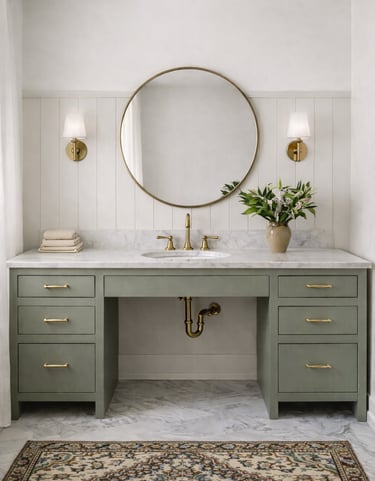
Bathrooms have long balanced form and function, but today there is a growing emphasis on how these spaces actively support comfort, usability, and longevity. According to the National Kitchen and Bath Association’s 2026 Bath Trends Report, accessibility features are increasingly being integrated into bathroom design in ways that feel intentional and refined rather than obvious or institutional.
This shift reflects a broader understanding of how people want their homes to function over time. Homeowners are looking for spaces that feel elevated and personal, while also being easier to use as needs and routines change.
Accessibility Is Being Designed In, Not Added On
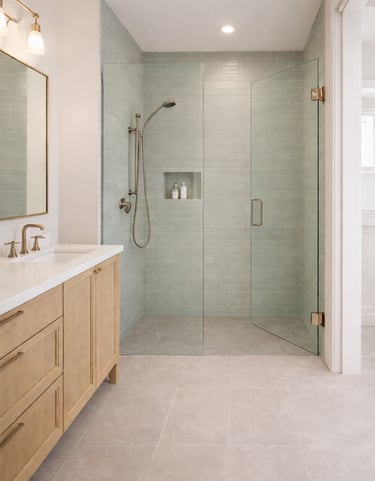
One notable trend highlighted by NKBA is the growing focus on bathrooms where supportive features are seamlessly woven into the overall aesthetic. Curbless showers, wider circulation space, thoughtfully placed storage, and well-considered lighting are becoming standard components of high-quality bathroom design.
When planned correctly, these features enhance the experience of the space for everyone. They improve flow, increase comfort, and reduce daily friction without calling attention to themselves. The result is a bathroom that feels calm, functional, and timeless.
Why Experience Matters
While accessibility features are becoming more common, designing a bathroom that truly supports a specific homeowner is not as simple as selecting a few standard elements. Effective accessible design requires a deeper understanding of how an individual moves through space, how they use the space day to day, and how their needs may change over time.
Two bathrooms can include the same features and function very differently depending on layout, proportions, and specification. When planning and specifying bathroom elements, I consider factors such as balance, reach, strength, endurance, vision, and daily routines. Features such as grab bars, seating, fixtures, and storage are most effective when they are tailored to the individual rather than treated as one-size-fits-all solutions. Each of these decisions influences how safe, comfortable, and intuitive the space feels for a particular person.
This level of personalization is what allows accessibility features to blend seamlessly into the design. When a bathroom is designed around the homeowner, it simply works well, without drawing attention to why.
A Long-Term Perspective on Bathroom Design
What makes this trend particularly compelling is how it supports living well now, and in the years ahead. Bathrooms designed with accessibility in mind from the start are more adaptable, more marketable, and better suited to support homeowners through different life stages.
This approach helps deliver spaces that feel thoughtfully planned rather than reactive. It also reinforces the value of bringing in a designer who understands both design and human function early in the process.
As accessibility becomes more seamlessly integrated into bathroom design, the quality of planning and specification will increasingly shape how well these spaces perform. When that planning is done well, the result is a bathroom that feels intuitive, supportive, and tailored to the person using it.
If you’re planning a bathroom project and want to think carefully about long-term usability, comfort, and how the space will function for the people using it, I’m always happy to talk through design considerations and options. Visit the Contact page to reach out or to schedule your Design Inquiry Call.
Ready to start your project?
Complete our contact form and we will get back to you promptly to answer your questions and schedule your inquiry call.


Connect
info@cadenceinteriorsmn.com
Minneapolis | St. Paul, Minnesota
Copyright Cadence Interiors LLC, 2026